
Unusual shaking and clunking noises coming from underneath your car are never something to ignore. If these symptoms get worse when you accelerate or during normal driving, you could be dealing with a bad transmission mount .
Let’s go over the most common symptoms of transmission mount failure, how much replacement costs, and whether or not you can safely continue driving until your service appointment
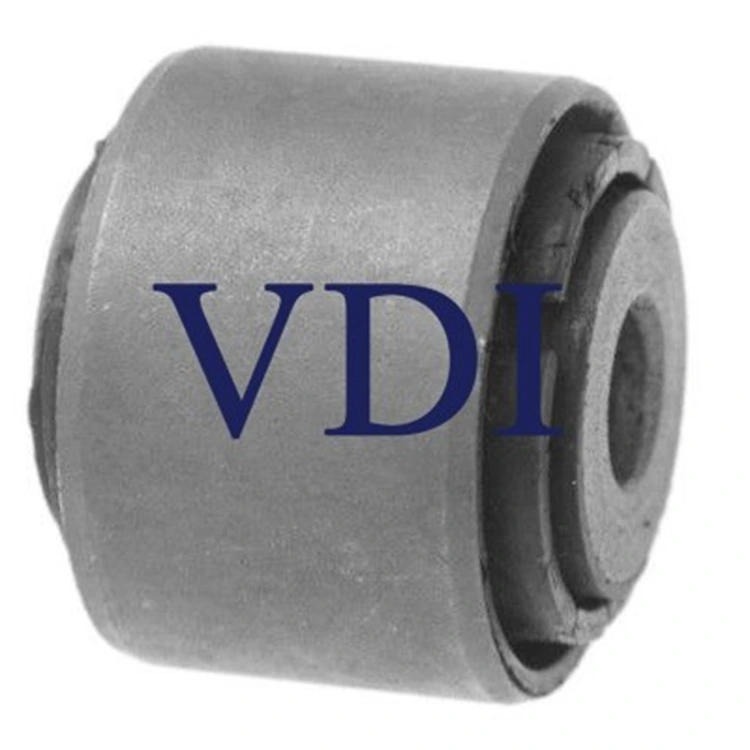
A transmission mount is a component that securely connects your transmission to the vehicle's frame or subframe . It works like a cushioned bracket that holds your transmission in place while absorbing vibrations during operation .
The mount serves two main purposes: it keeps the transmission properly positioned so it can transfer power to the wheels, and it dampens vibrations that naturally occur as the transmission operates . The rubber or polyurethane bushing inside the mount isolates drivetrain vibration and helps reduce noise inside the cabin . Without a working mount, your transmission would shake excessively and could damage nearby components
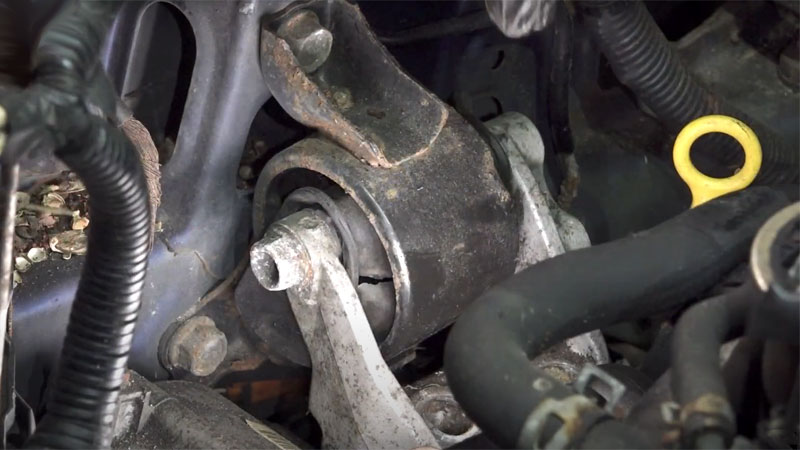
Transmission mounts are different from motor mounts (also called engine mounts), which hold the engine in place . While both types of mounts serve similar functions and can cause vibrations when they fail, transmission mounts specifically support the transmission end of the drivetrain .
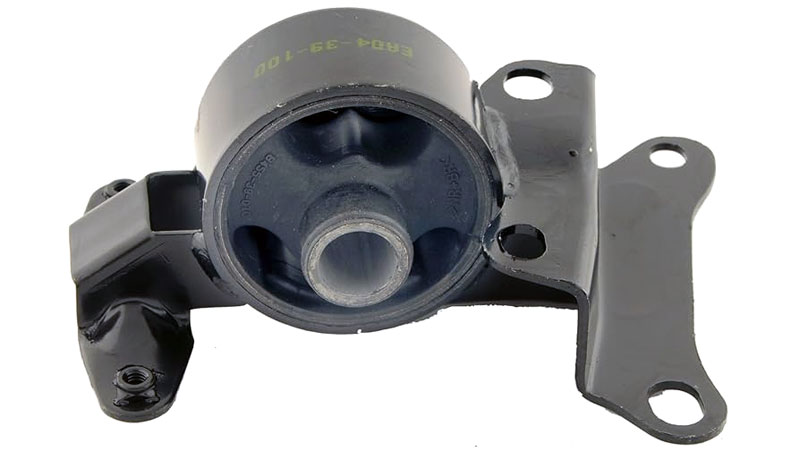
Most vehicles use rubber transmission mounts, which consist of a metal bracket with rubber cushioning material. The rubber acts as a shock absorber, soaking up normal vibrations while providing solid support. Some higher-end vehicles use hydraulic mounts, which contain fluid-filled chambers for even better vibration dampening .
Your car typically has one or two transmission mounts, depending on the vehicle design. Under normal driving conditions, these mounts can last anywhere from 60,000 to 120,000 miles (or more). However, factors like aggressive driving, extreme temperatures, and oil leaks can shorten their lifespan as the rubber material naturally degrades over time .
When a transmission mount starts to fail, your car will give you several warning signs. Here are the most common symptoms, starting with what you're most likely to notice first.

By far the most common sign of a bad transmission mount is increased shaking and vibration throughout the vehicle (not just the steering wheel) . It's usually most noticeable when idling in Drive with your foot on the brake, such as when stopped at a traffic light . This happens because a worn mount can no longer properly absorb vibrations, allowing them to transfer into the cabin.
When the mount fails, the transmission can no longer dampen its natural vibrations effectively, creating noticeable shaking that travels through the vehicle's frame into the cabin. The vibrations often get worse during acceleration from a complete stop .
You may notice the steering wheel shaking, gear shifter vibrating, or feel vibrations through your seat. Unlike tire-related vibrations, transmission mount vibrations are usually most pronounced when stationary but in gear .
A failing transmission mount often produces distinct clunking or banging sounds, especially during acceleration or when coming to a stop . This happens because the transmission is no longer properly secured and moves around more than it should .
You'll typically hear these sounds coming from underneath the vehicle, particularly when accelerating from a stop, going over bumps, or during hard braking . In automatic transmissions, you might also hear these noises when the transmission shifts between gears under load .
The sounds usually start as occasional light taps but progressively get louder and more frequent as the mount deteriorates. While these noises often correlate with acceleration and deceleration, they can sometimes be mistaken for exhaust system rattles or other undercar noises. If you're unsure of the source, a professional inspection is recommended .

While automatic transmissions handle gear changes without driver input, a bad transmission mount can still affect shift quality. When the transmission isn't properly supported, it can move slightly during gear changes, creating a harsh or jerky shifting sensation . This movement interrupts the smooth power transfer between the engine and transmission, making shifts feel less precise and more abrupt than they should be .
Shifts may feel more abrupt than usual, and there might be a slight delay before the transmission engages when shifting from park to drive . This happens because the unstable transmission position affects alignment and can transmit additional movement into the cabin, making shifts feel rougher even though the transmission's mechanical operation is still functioning correctly .
The roughness is usually most noticeable during the first few shifts when the transmission is cold, or when accelerating moderately to highway speeds .
With a severely worn transmission mount, you may actually see the transmission moving when you look under the hood. This is more common in front-wheel-drive vehicles where part of the transmission is visible in the engine bay .
This excessive movement isn't always easy to spot just by looking under the hood—especially on many modern vehicles where the transmission isn't fully visible . In some front-wheel-drive vehicles where part of the transmission is accessible, you might notice some movement .
To safely check for this, have someone rev the engine while you observe the transmission area (or have a mechanic inspect from underneath the vehicle where it's usually more noticeable) . A properly mounted transmission should remain relatively stationary with only minor movement. Excessive movement indicates a failed mount .
Sometimes this movement is more obvious when shifting from park to drive or reverse, as the transmission will lurch more dramatically than normal. Be extra careful when attempting to view this .

A bad transmission mount can lead to increased noise levels inside the cabin, as the mount no longer effectively isolates transmission vibrations and sounds . Normal road noise may seem louder than usual, and some drivers report hearing more mechanical sounds from the drivetrain .
This happens because vibrations that should be absorbed by the mount are instead transmitted through the vehicle's frame directly into the passenger compartment . The increased noise is often most noticeable at highway speeds or during acceleration .
Pay attention to any changes in your vehicle's normal sound profile, especially if accompanied by other symptoms on this list .
When transmission mounts fail, the increased vibrations will usually make their way into the vehicle's interior components . Your dashboard may rattle (especially around the air vents or radio area) and the center console may also shake a bit more than usual .
These interior vibrations are usually most noticeable when idling in gear or during low-speed acceleration . Unlike vibrations caused by engine mounts, transmission mount vibrations tend to be more pronounced when the vehicle is in gear rather than in park or neutral .
If you notice that the gear shifter seems to shake on its own or items in your cup holders are rattling, these could be signs of transmission mount failure .
Transmission Mount Replacement Cost
Most transmission mount replacements at an independent mechanic will cost between $250 and $550, including parts and labor . The final price can vary significantly based on your vehicle's make, model, and how difficult the mount is to access . For some cars, the job might be under $200, while on luxury or all-wheel-drive vehicles, the price can climb much higher.
Labor typically accounts for the majority of the cost, ranging from $200 to $400. Some transmission mounts are relatively easy to reach and can be replaced in about an hour, while others require removing surrounding components or partially lowering the transmission for access .
The mount itself usually costs between $50 and $150. Basic rubber mounts for common vehicles like Honda Civics or Toyota Camrys are on the lower end, while luxury vehicles or trucks with larger transmissions often require more expensive mounts .
Vehicle type plays a major role in replacement cost. Front-wheel-drive cars typically have more accessible mounts compared to rear-wheel-drive vehicles where the mount may be located underneath the car .
Dealership prices tend to run $100 to $200 higher than independent shops, with total costs often reaching $400 to $700. However, dealerships use original equipment parts, may offer warranties on their work, and have manufacturer-specific training that most auto repair shops don't .
If multiple mounts need replacement at the same time, expect to pay for additional parts—but labor costs shouldn't double, since the mechanic is already working in the same area .
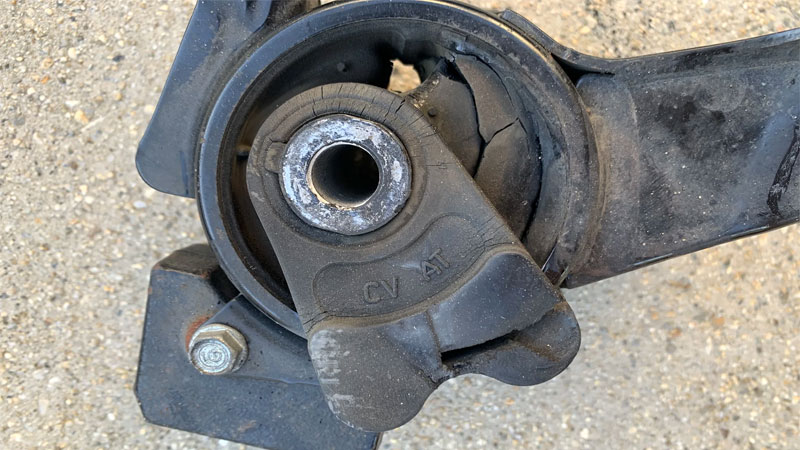
As with engine mounts, normal wear and tear is the most common reason transmission mounts fail . The rubber material naturally degrades over time, becoming either hard and brittle or soft and mushy . Both conditions reduce the mount's ability to absorb vibrations and support the transmission properly .
Heat exposure accelerates mount deterioration significantly. Transmission mounts are located close to the hot transmission and exhaust components, and repeated heating and cooling cycles break down the rubber compounds faster than normal .
Oil contamination is another major factor in mount failure. When transmission fluid, engine oil, or power steering fluid leaks onto the rubber mount, it causes the material to swell and deteriorate . Even small leaks can cause significant damage over time .
Aggressive driving habits can shorten mount life considerably. Hard acceleration, sudden stops, and high RPM driving put extra stress on the mounts . Performance modifications that increase engine or transmission power also place additional strain on these components .
Age alone can cause mounts to fail, even with gentle driving. Most transmission mounts are designed to last 60,000 to 120,000 miles, but vehicles over 10 years old are particularly susceptible to mount failure regardless of mileage .
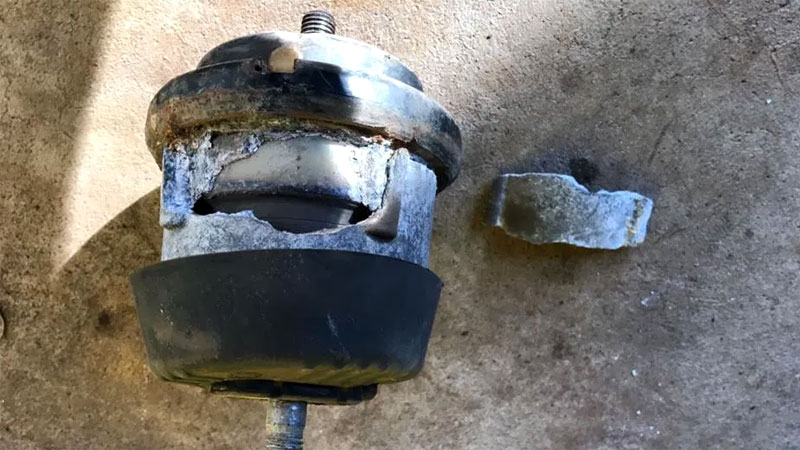
While you can continue driving with a bad transmission mount for a short period, it's not recommended for extended use . The biggest risk is progressive damage to your transmission and surrounding components—damage that will cost much more to fix than the mount replacement itself .
Without proper support, the transmission can shift position and stress internal components, potentially leading to premature wear of seals, gaskets, and moving parts . This movement can also damage transmission cooler lines, electrical connections, and nearby exhaust components .
Safety concerns arise when mounts fail completely. A severely loose transmission can interfere with nearby components or even affect the vehicle's handling characteristics, especially during hard acceleration or braking .
What starts as a $300 transmission mount replacement can quickly escalate into much more expensive repairs . Damaged transmission cooler lines can cost $200 to $500 to replace, while internal transmission damage from excessive movement can result in rebuild costs of $2,000 to $4,000 .
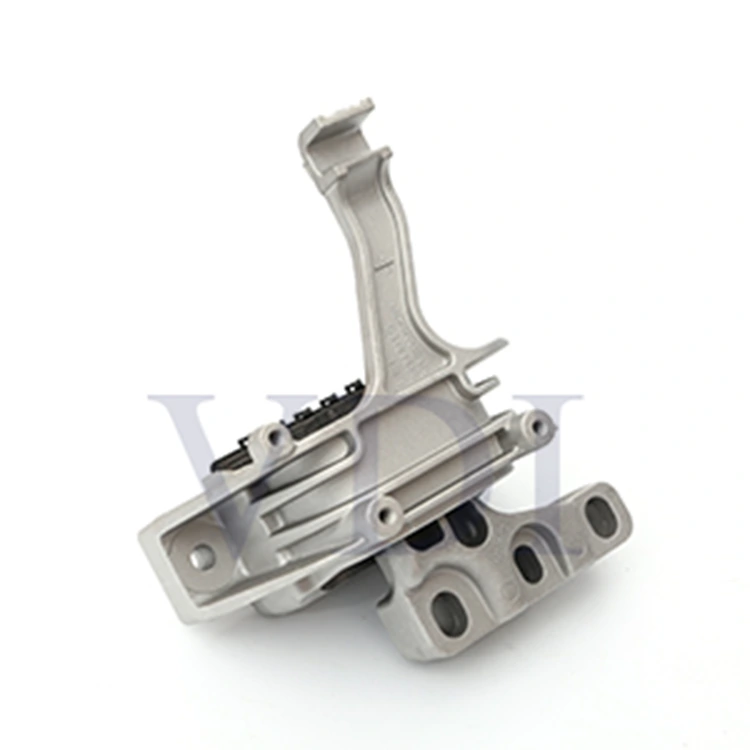
If you absolutely must continue driving, avoid aggressive acceleration and keep speeds moderate . Schedule a repair appointment as soon as possible to prevent a relatively small problem from becoming much worse . Modern transmissions are one of the most expensive components to repair or replace. Welcome to choose VDI Transmission Mount 4M0399153L.